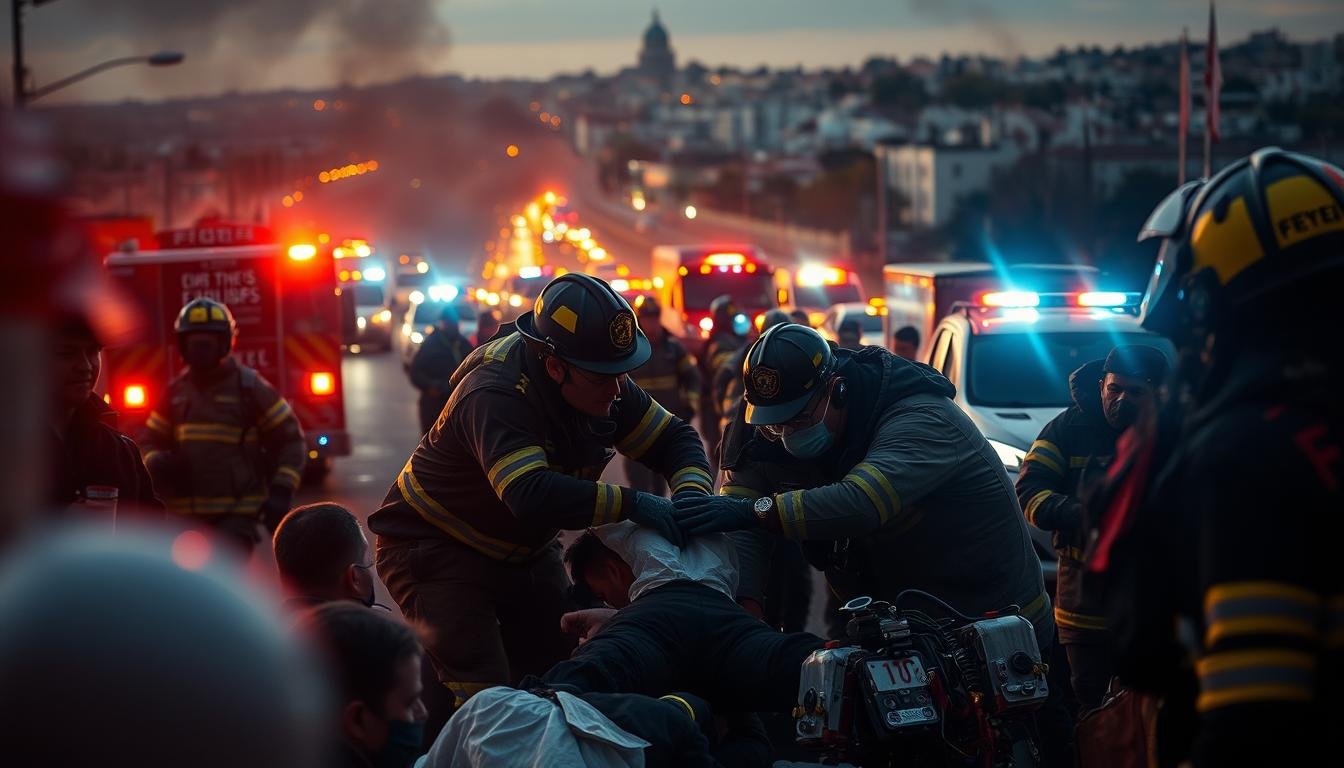
Medical emergencies can happen anytime. Being ready is key. Knowing first aid basics helps a lot in emergencies.
Learning the basics of emergency response lets people help right away. This can save lives and lessen injuries.
In this article, we’ll cover important tips for medical emergencies. We’ll stress the need to be ready and know what to do.
Key Takeaways
- Understanding first aid basics is crucial for effective emergency response.
- Knowing how to respond to medical emergencies can save lives.
- Immediate care can reduce the severity of injuries.
- Being prepared is key to handling emergencies effectively.
- First aid knowledge can make a significant difference in emergency situations.
Understanding First Aid Basics and Their Importance
First aid is vital because it’s the first care given in emergencies. It’s not just reacting; it’s about giving the right care that can change the outcome.
The Definition and Scope of First Aid
First aid is immediate care for injuries or sudden illnesses. The scope of first aid is wide, covering everything from small cuts to serious conditions. It includes assessing the situation, giving care, and getting more help if needed.
The main goals of first aid are to save lives, prevent things from getting worse, and help recovery. Knowing about first aid definition and how to use it is important for everyone. Emergencies can happen anytime, anywhere.
The Golden Hour: Why Immediate Response Matters
The “Golden Hour” is key to understanding the need for immediate response in emergencies. It’s the first hour after a traumatic injury, when getting the right care can greatly improve survival and recovery chances.
Quick first aid can greatly affect the outcome. It helps stabilize the situation and prepares for further medical help.
| Condition | Immediate Response | Importance |
|---|---|---|
| Cardiac Arrest | CPR | Restores blood circulation and breathing |
| Severe Bleeding | Apply pressure, elevate | Prevents excessive blood loss |
| Burns | Cool with water, cover | Reduces damage and risk of infection |
Legal Considerations and Good Samaritan Laws
Knowing the legal side of first aid is crucial, especially Good Samaritan Laws. These laws protect those who help in emergencies from legal trouble. They vary by state but generally cover those who act in good faith.
Understanding these laws can make people more likely to help in emergencies without fear of legal issues. But, it’s important to remember that these laws don’t excuse not knowing what to do.
Essential First Aid Supplies for Every Home
A good first aid kit is key for home safety. It helps you deal with medical emergencies.
Building a Comprehensive First Aid Kit
Creating a first aid kit for your home needs careful planning. Start with the basics.
Basic Supplies Checklist
- Bandages and Band-Aids for covering cuts and scrapes
- Antiseptic wipes and spray for cleaning wounds
- Gauze pads and rolls for dressing wounds
- Medical tape to secure bandages
- Pain relievers and antihistamines for managing pain and allergic reactions
Specialty Items for Specific Needs
You might need extra items based on your household’s needs. For kids, include pediatric dosages of medications. If someone has a severe allergy, have EpiPens or other epinephrine auto-injectors ready.
Must-Have Medications and When to Use Them
Knowing when to use your first aid kit’s medications is important. Pain relievers like acetaminophen or ibuprofen help with minor pains. Antihistamines are good for allergies. Always read the package and ask a doctor if you’re not sure.
Maintaining Your First Aid Supplies
It’s important to check and update your first aid kit often. This keeps it ready and all supplies fresh. Make it a habit to check your kit regularly.
Responding to Common Medical Emergencies
In emergency situations, knowing how to respond can be the difference between life and death. Medical emergencies like cardiac arrests, choking, severe wounds, burns, sprains, and fractures need quick and right actions.
Cardiopulmonary Resuscitation (CPR) Basics
CPR is a lifesaving technique used in emergencies where someone’s breathing or heartbeat has stopped. CPR techniques vary depending on the age of the person in need.
Adult CPR Techniques
To perform CPR on an adult, start by calling 911 or your local emergency number. Then, begin chest compressions at a rate of 100 to 120 per minute. Push hard and fast in the center of the chest. After 30 compressions, give two breaths. Keep doing this cycle until help arrives.
Child and Infant CPR Differences
CPR on children and infants needs adjustments in technique. For children, the ratio is 30:2, similar to adults. However, the force and depth of compressions are less. For infants, the ratio is also 30:2, but use two thumbs to compress the chest.
Managing Choking Incidents
Choking happens when an object gets stuck in the throat, blocking airflow. For adults and children, the Heimlich maneuver is used to dislodge the object. For infants, back slaps are recommended.
“The key to saving a choking victim is acting quickly and correctly.” – American Red Cross
Treating Wounds and Controlling Bleeding
For severe bleeding, apply firm and steady pressure to the wound with a clean cloth or bandage. Elevate the injured area above heart level if possible. Watch for signs of shock and keep the victim calm.
| Wound Type | First Aid |
|---|---|
| Minor cuts | Clean with soap and water, apply antibiotic ointment |
| Severe cuts | Apply firm pressure, elevate, seek medical help |
Handling Burns, Sprains, and Fractures
For burns, cool the affected area with cool running water for at least 10 minutes. For sprains and fractures, apply the RICE method: Rest, Ice, Compression, and Elevation. Immobilize the affected area to prevent further injury.
By understanding how to respond to these common medical emergencies, you can significantly improve outcomes and potentially save lives.
First Aid for Specific Emergency Situations
Every emergency needs a special first aid plan to help the most. For severe allergic reactions, heat illnesses, seizures, fainting, poisoning, or chemical exposure, knowing the right steps is key.
Responding to Severe Allergic Reactions
Severe allergic reactions, or anaphylaxis, are very dangerous and need quick action. Signs include trouble breathing, fast heartbeat, and low blood pressure. If someone has anaphylaxis:
- Call emergency services right away.
- Use an EpiPen or similar if you have one.
- Keep the person calm and comfortable.
Do not give them food or drinks. Watch their condition until help arrives.
Managing Heat-Related Illnesses and Hypothermia
Heat illnesses range from mild to severe. Signs include heavy sweating, pale skin, and fast pulse. For mild heat exhaustion:
- Move them to a cooler spot.
- Take off extra clothes.
- Cool them with cool cloths or a bath.
For severe heatstroke, call for help fast. Hypothermia means very low body temperature. Signs are shivering, confusion, and drowsiness. For hypothermia:
- Move them to a warm place.
- Remove wet clothes.
- Use blankets or a heating pad to warm them.
First Aid for Seizures and Fainting
Seizures can happen for many reasons, like epilepsy. During a seizure:
- Clear the area around them.
- Turn them onto their side to keep airways open.
- Don’t restrain them or put anything in their mouth.
Fainting is a temporary loss of consciousness. If someone faints:
- Lay them flat on their back.
- Elevate their legs above their heart.
- Loosen tight clothes.
Handling Poisoning and Chemical Exposure
Poisoning can happen through eating, breathing, or skin contact. If someone is poisoned:
- Call the national poison control center or emergency services.
- Give as much info as you can about the poison.
- Follow any advice from the poison control center.
Do not try to treat at home without expert advice. For chemical exposure, rinse the area with water and remove contaminated clothes.
Conclusion: Being Prepared Saves Lives
Being ready for emergencies is key to saving lives. Knowing the basics of First Aid is vital for handling medical crises well. With the right supplies and knowledge, people can greatly impact emergency situations.
Being prepared is the heart of effective first aid. It means having a good first aid kit and knowing how to handle common emergencies. Knowing what to do in different situations is also crucial. This way, people can give the right care until medical help arrives.
Adding first aid skills to our daily lives boosts community safety. Being informed and ready helps prevent small injuries from getting worse. It also ensures we can act fast in serious emergencies. The role of first aid is huge, and being ready is the first step to making a difference.
FAQ
What are the essential items to include in a First Aid Kit?
A good First Aid Kit has bandages and antiseptic wipes. It also includes pain relievers and antihistamines. Don’t forget any special medications, like EpiPens for allergies.
How often should I check and update my First Aid Supplies?
Check your First Aid Kit every 6 months. Make sure all items are still good and not expired. Restock as needed.
What is the proper technique for performing CPR on an adult?
To do CPR on an adult, first call 911. Then, start chest compressions at 100-120 per minute. Each compression should be 2-3 inches deep. After each 30 compressions, give two breaths. Keep going until help arrives.
How do I manage a choking incident in a child?
For a choking child, first try to get them to cough. If that doesn’t work, use back slaps. If still choking, do abdominal thrusts until the object is out or help arrives.
What are the signs and symptoms of a severe allergic reaction?
Severe allergic reactions show as trouble breathing and a fast heartbeat. You might also see dizziness, confusion, or swelling of the face or throat.
How do I treat a burn?
For minor burns, cool the area with water for 10-15 minutes. Then, apply a topical ointment and cover with a non-stick dressing. For severe burns, call 911. Cool the area but don’t break blisters or use ointments.
What should I do if someone is having a seizure?
If someone has a seizure, gently turn them onto their side. Clear the area of objects that could hurt them. Don’t try to hold them down. After the seizure, check for injuries and comfort them until they’re okay.
How can I prevent heat-related illnesses?
To avoid heat-related illnesses, drink lots of water and avoid hard work when it’s very hot. Wear light clothes and take breaks in cool spots.