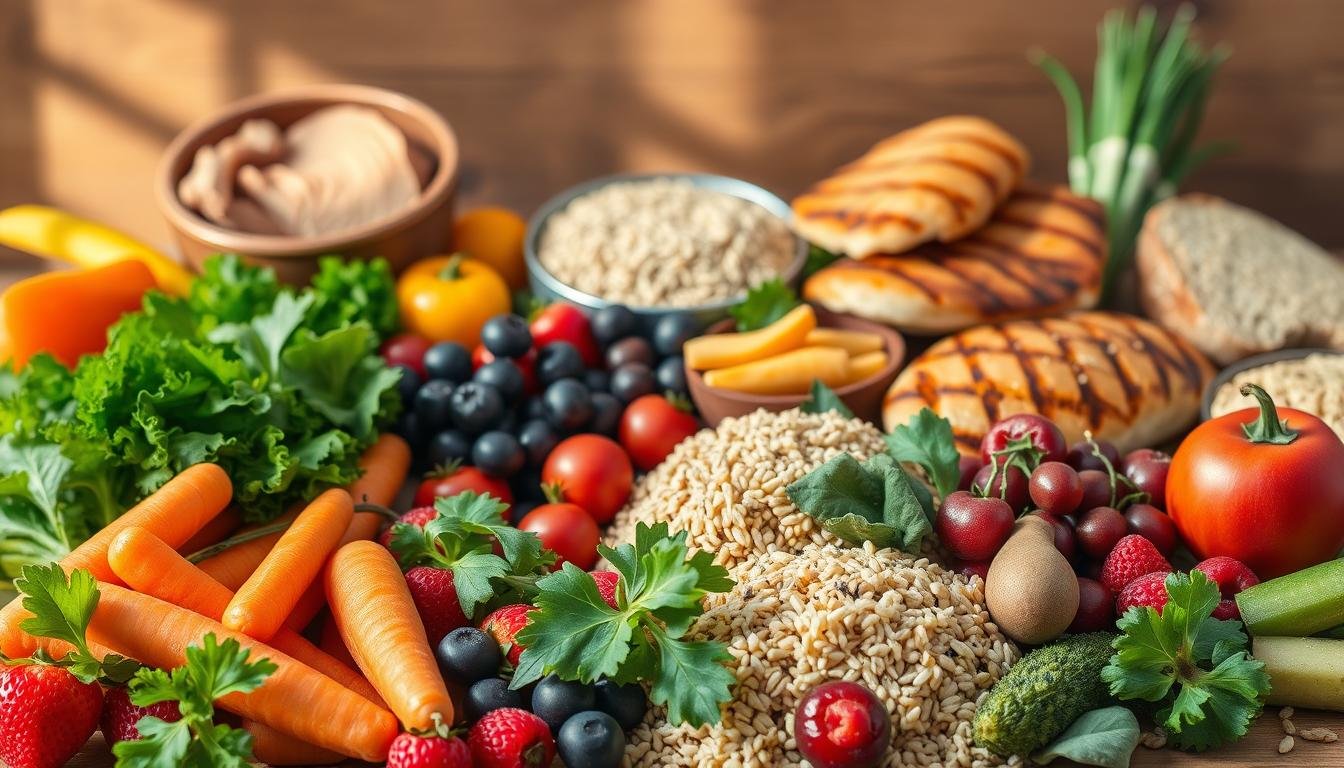
Keeping a balanced diet is key for good health. Clean eating means eating whole, unprocessed foods. This gives your body the nutrients it needs.
Adding healthy eating to your life has many benefits. You’ll feel more energetic and have a lower risk of serious diseases.
Key Takeaways
- Understand the principles of a balanced diet
- Learn how to incorporate whole foods into your meals
- Discover the benefits of healthy eating habits
- Explore the importance of nutrition for overall well-being
- Find practical tips for maintaining a healthy diet
What Is Clean Eating? Understanding the Fundamentals
Clean eating starts with focusing on whole, nutrient-rich foods. It’s about eating foods as close to their natural state as possible.
The Philosophy Behind Clean Eating
Clean eating believes that what we eat greatly affects our health and well-being. It promotes eating whole foods like fruits, veggies, whole grains, lean proteins, and healthy fats. It also suggests cutting down on processed and packaged foods.
- Focus on nutrient-dense foods
- Avoid foods with additives and preservatives
- Choose whole grains over refined grains
Clean Eating vs. Other Diet Approaches
Clean eating stands out because it values food quality over quantity. It’s different from diets that count calories or focus on specific nutrients. Clean eating takes a more complete view of nutrition.
Some main differences are:
- Focus on whole foods rather than processed
- Emphasis on nutrient density
- Avoidance of artificial additives
The History and Evolution of Clean Eating
Clean eating began in the 1960s and 1970s with the natural foods movement. It highlighted the need for whole, unprocessed foods. Since then, it has grown to include more about nutrition and how food processing affects health.
Today, clean eating is more popular as people learn how crucial nutrition is for staying healthy.
The Health Benefits of Embracing Clean Eating
Clean eating does more than help with weight loss. It boosts both physical and mental health. Eating whole, nutrient-rich foods leads to many benefits that improve life quality.
Physical Health Improvements
Clean eating offers many physical health perks. It improves digestion, boosts energy, and strengthens the immune system. Avoiding processed and sugary foods lowers the risk of heart disease and diabetes.
Mental and Emotional Well-being Benefits
A diet rich in omega-3s, vitamins, and minerals is good for mental health. Studies show it can ease anxiety and depression symptoms. This leads to a better sense of well-being and calm.
Long-term Health Outcomes
Sticking to clean eating long-term brings lasting health benefits. It lowers the risk of some cancers and improves heart health. Making smart food choices helps control health and cuts down on medication needs.
Scientific Research Supporting Clean Eating
Many studies back the health benefits of clean eating. They show it’s good for both physical and mental health. A detailed look at the research confirms clean eating improves health in different groups.
| Health Benefit | Description |
|---|---|
| Improved Digestion | Clean eating promotes the consumption of fiber-rich foods, supporting healthy digestion. |
| Increased Energy | A diet focused on whole foods can help stabilize energy levels throughout the day. |
| Mental Clarity | Nutrient-dense foods support brain health, enhancing mental clarity and focus. |
Essential Clean Eating Tips for Beginners
Starting a clean eating journey can be both thrilling and challenging. But with the right advice, beginners can succeed. Clean eating means eating a balanced diet that boosts health and happiness.
Starting Your Clean Eating Journey
To begin, it’s key to know the basics. Start by cutting out processed and high-sugar foods. Add more whole foods like veggies, fruits, whole grains, lean proteins, and healthy fats to your diet.
- Slowly add new foods to avoid stomach issues.
- Try different cooking ways to keep meals fun.
- Plan meals ahead to ensure a balanced diet.
Setting Realistic Goals
Setting goals you can reach is vital for staying motivated. Begin with small steps, like swapping one unhealthy meal for a clean one each day. As you get better, aim for bigger goals.
Creating Sustainable Habits
Keeping habits going long-term is crucial. Make habits that you can keep up, like preparing meals on weekends or cooking at home most nights. It’s better to be consistent than perfect.
Tracking Your Progress
Watching your progress helps you stay on course. Keep a food diary or use an app to track your food. Celebrate your wins and learn from any challenges.
By following these tips, beginners can build a solid base for a healthier life. Remember, clean eating is a journey. It’s okay to take it one step at a time.
Whole Foods: The Foundation of Clean Eating
Understanding and using whole foods is key to clean eating. Whole foods are natural and full of nutrients. They help your body work its best.
Understanding Whole vs. Processed Foods
It’s important to know the difference between whole and processed foods. Whole foods are fruits, veggies, grains, lean proteins, and healthy fats. Processed foods have additives and unhealthy fats. Choosing whole foods over processed ones can significantly improve your nutritional intake.
Incorporating More Whole Foods Into Your Diet
Adding more whole foods to your diet is easy. Start by:
- Adding a variety of colorful vegetables to your meals
- Choosing whole grains over refined grains
- Including lean proteins like poultry, fish, and legumes
- Snacking on fruits and nuts
These simple changes can make a big difference in your health.
Seasonal and Local Food Choices
Choosing seasonal and local produce supports local farmers. It also means you get foods at their best. Seasonal foods tend to be fresher and more flavorful, making meals better. Visit local farmers’ markets or join a CSA to get seasonal and local foods.
By focusing on whole foods and making smart choices, you can build a balanced diet. This supports your health and well-being.
Foods to Avoid on a Clean Eating Plan
Understanding which foods to avoid is key to a healthier diet. Clean eating is not just about adding good foods. It’s also about avoiding those that can harm your health.
Highly Processed Foods and Additives
Many modern diets include a lot of processed foods. These foods have many additives, preservatives, and artificial flavorings. Avoiding these foods is important to stay healthy.
Refined Sugars and Artificial Sweeteners
Refined sugars and artificial sweeteners should be limited. Eating too much refined sugar can lead to obesity and diabetes. Artificial sweeteners may seem healthier but can also be harmful.
Trans Fats and Unhealthy Oils
Trans fats and unhealthy oils are bad for your heart. Trans fats can increase heart disease risk. Choose healthier oils like olive or avocado oil instead.
Making Smart Substitutions
Smart substitutions are a good way to eat cleaner. Choose whole grains over refined ones, and natural sweeteners like honey over refined sugars. Here’s a comparison of common foods and their cleaner alternatives:
| Food to Avoid | Cleaner Alternative |
|---|---|
| Refined white bread | Whole grain bread |
| Sugary cereals | Oatmeal with fresh fruits |
| Processed snacks | Nuts and seeds |
By avoiding certain foods and choosing better options, you can improve your clean eating plan. This not only boosts your health but also supports long-term wellness.
Clean Eating Tips for Optimal Nutrition
To get the most from clean eating, focus on optimal nutrition. This means balancing macronutrients, eating superfoods, and staying hydrated. A balanced diet is key for good health and meeting your body’s nutritional needs.
Balancing Macronutrients
It’s important to balance carbohydrates, proteins, and fats for good nutrition. Carbs give you energy, proteins help muscles grow, and fats are good for your brain and hormones. Eating a mix of these at each meal keeps your energy up and supports your health.
For instance, start your day with whole-grain toast (carbs), scrambled eggs (protein), and avocado (healthy fats). This mix gives you a great start to the day.
Incorporating Superfoods
Superfoods are packed with nutrients and offer big health benefits. They include leafy greens, berries, and fatty fish like salmon. Adding these to your meals boosts your nutrition and helps you feel better overall.
Hydration and Clean Beverages
Drinking enough water is key for hydration and good nutrition. Water helps digest and absorb nutrients. Also, choose clean drinks like herbal teas and green juices for extra vitamins and minerals without added sugars or artificial stuff.
Try to avoid drinks with lots of sugar or artificial sweeteners. They can hurt the nutritional value of your diet.
Clean Eating Meal Planning and Preparation
Meal planning and preparation are key to a clean eating lifestyle. They help you eat nutritious, whole foods that boost your health. This approach ensures you get the best for your body.
Weekly Meal Planning Strategies
Effective meal planning starts with setting clear goals for clean eating. Then, plan meals around seasonal and local produce for freshness. Make a shopping list to avoid impulse buys and waste.
Batch Cooking for Clean Eating Success
Batch cooking saves time by making large amounts of food in advance. It makes sure you always have healthy options ready. Set aside a day to cook staples like grains, proteins, and roasted veggies.
Storage Tips for Fresh Ingredients
Storing ingredients right keeps them fresh and nutritious. Use airtight containers for grains, nuts, and dried fruits. Keep your fridge organized and store veggies properly.
Simple Clean Eating Recipes to Try
Clean eating doesn’t have to be hard. Try quinoa salads, grilled chicken with roasted veggies, and overnight oats. They’re tasty and simple to make. Use herbs and spices for flavor without extra salt or sugar.
By using these strategies, clean eating can be a fun and lasting part of your life.
Navigating Food Labels and Grocery Shopping
To truly benefit from clean eating, you need to learn how to read food labels and shop smart. It’s not just about picking products. It’s about making choices that fit your clean eating goals.
Decoding Nutrition Labels
Understanding nutrition labels is key to smart shopping. Look for products with fewer ingredients and more familiar ones. Avoid products with too much added sugar, salt, and unhealthy fats. The ingredients listed first are the most common.
Identifying Hidden Additives and Preservatives
Many packaged foods have hidden additives and preservatives that can harm your clean eating goals. Watch out for terms like “artificial flavors” and “preservatives.” Choose products labeled as “non-GMO” and “organic” when you can, as they usually have fewer additives.
Building a Clean Eating Shopping List
A good shopping list is essential for clean eating. Plan your meals first, then list the ingredients you need. Prioritize whole foods like veggies, fruits, lean proteins, and whole grains. A list helps you stay on track and avoid impulse buys.
Budget-Friendly Clean Eating Options
Clean eating doesn’t have to be expensive. Buy in bulk, shop for seasonal produce, and plan meals around sales. Frozen fruits and veggies are nutritious and often cheaper than fresh.
By using these tips, you can shop with confidence. Clean eating can become a sustainable and enjoyable part of your life.
Adapting Clean Eating to Different Dietary Needs
Clean eating is more than just avoiding unhealthy foods. It’s about meeting each person’s nutritional needs. These needs vary based on lifestyle, health, and personal taste.
Clean Eating for Vegetarians and Vegans
Vegetarians and vegans focus on whole plant foods like fruits, veggies, grains, and legumes. They need to make sure they get enough vitamin B12, iron, and omega-3s. These nutrients are often found in animal products.
A well-thought-out vegetarian or vegan diet can lower heart disease and cancer risks. It’s important to eat a variety of plant-based foods.
Clean Eating with Food Allergies or Intolerances
People with food allergies or intolerances must choose foods carefully. They should read labels well and pick whole foods over processed ones. This helps avoid hidden additives.
“The key to managing food allergies through clean eating is vigilance and education on food ingredients.”
Clean Eating for Athletes and Active Individuals
Athletes and those who are active need a diet that boosts energy and helps with recovery. Clean eating for them means eating foods rich in proteins, carbs, and fats.
- Lean proteins for muscle repair
- Complex carbohydrates for sustained energy
- Healthy fats for overall well-being
Clean Eating for Families with Children
For families, clean eating means serving healthy, balanced meals. It’s about teaching kids to love healthy food from a young age.
| Age Group | Nutritional Focus | Sample Foods |
|---|---|---|
| Children under 5 | High in nutrients, low in sugars | Fruits, vegetables, whole grains |
| School-age children | Balanced macronutrients | Lean proteins, complex carbs, healthy fats |
By tailoring clean eating to various dietary needs, everyone can enjoy a healthy diet. This supports their health and well-being.
Conclusion: Embracing Clean Eating as a Lifestyle
Starting a clean eating lifestyle is a journey with many benefits. It improves your physical health and boosts your mental well-being. By learning about clean eating and eating whole foods, you can build lasting healthy habits.
Choosing clean eating means picking the right foods. You’ll avoid processed foods and choose foods full of nutrients. This way of eating helps your health and makes you feel good about food.
Keep moving forward on your clean eating path, even if it’s not perfect. Making lasting changes can lead to a healthier, happier you. Enjoy the benefits of a balanced diet for a better life.
FAQ
What is clean eating, and how does it differ from other diets?
Clean eating means eating whole, unprocessed foods. It avoids additives and unhealthy ingredients. Unlike other diets, it focuses on foods rich in nutrients and avoids processed foods.
How do I start a clean eating diet?
Start by looking at what you eat now. Then, plan to add more whole foods like fruits, veggies, and lean proteins to your meals.
What are some common foods to avoid on a clean eating plan?
Avoid processed foods, refined sugars, and unhealthy fats. Read food labels and choose items with fewer ingredients and no preservatives.
Can I follow a clean eating diet if I’m a vegetarian or vegan?
Yes, you can. Focus on plant-based foods like fruits, veggies, and whole grains. Legumes, nuts, and seeds are also good choices.
How do I balance macronutrients on a clean eating diet?
Include a variety of protein, healthy fats, and carbs in your meals. For personalized advice, talk to a registered dietitian or healthcare professional.
What are some tips for meal planning and preparation on a clean eating diet?
Plan meals for the week, cook in batches, and store ingredients well. Look for simple, healthy recipes to make meal prep easier.
How can I navigate food labels and grocery shopping on a clean eating diet?
Learn to read nutrition labels and spot hidden additives. Make a shopping list of whole foods to help you stay on track.
Is clean eating suitable for athletes or individuals with specific dietary needs?
Yes, clean eating can be tailored for athletes or those with dietary restrictions. Focus on nutrient-rich foods and consider your specific needs.
Can clean eating be a sustainable long-term lifestyle choice?
Yes, clean eating can be sustainable if done in a balanced way. Aim for progress, not perfection, and allow for occasional treats.
How do I maintain motivation and stay on track with clean eating?
Set achievable goals, track your progress, and find support from others. Registered dietitians or healthcare professionals can also offer help when needed.